Regulatory Shifts Reshaping Bonus Allocation Models in Multi-Jurisdictional Reel Networks
Écrit par Iris Albrecht · 24/8/2026
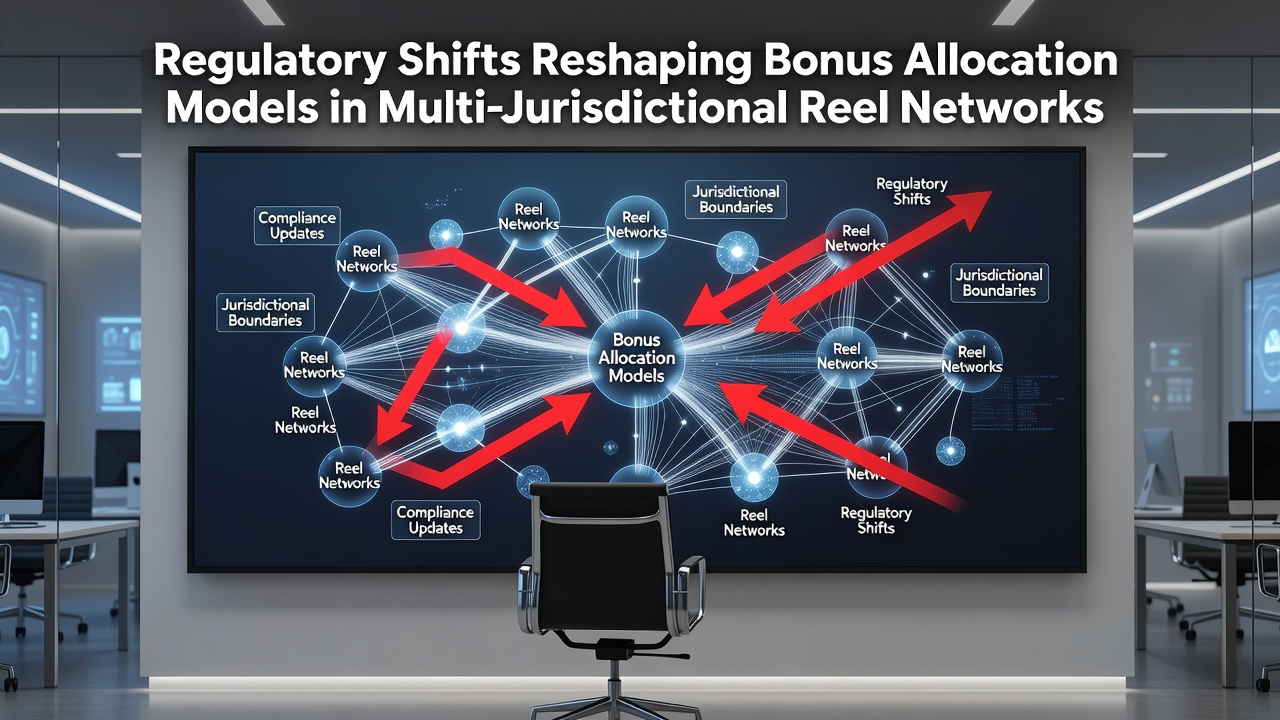
Regulatory Shifts Reshaping Bonus Allocation Models in Multi-Jurisdictional Reel Networks
Regulatory bodies across North America, Europe, and the Asia-Pacific region have introduced new compliance frameworks that directly alter how operators calculate and distribute bonuses in online reel platforms operating across borders, and these updates require platforms to segment player pools by licensing jurisdiction before any promotional credits are issued. Data from the Nevada Gaming Control Board shows that revised reporting standards effective in late 2025 now mandate separate tracking for bonus contributions toward wagering requirements when a single network serves players in multiple states. Observers note that platforms must adjust their backend systems to isolate bonus liabilities by regulatory zone, which prevents cross-subsidization that previously allowed operators to pool funds from less restrictive markets into more tightly controlled ones.
Jurisdictional Variations Driving System Overhauls
Platforms serving reel networks in the United States face state-specific rules on bonus transparency, whereas operators licensed in Ontario must follow the Alcohol and Gaming Commission of Ontario guidelines that cap bonus values relative to deposit amounts and require real-time disclosure of wagering contributions. In Australia, the Australian Communications and Media Authority has updated its expectations around player protection measures, which means bonus allocation algorithms now incorporate mandatory cooling-off periods before promotional funds become eligible for withdrawal. Those who've studied these frameworks point out that multi-jurisdictional operators can no longer apply a single bonus formula globally because each regulator demands distinct audit trails and player communication standards.
Technical Adjustments in Allocation Logic
Software providers have responded by building modular bonus engines that apply jurisdiction-specific multipliers and eligibility filters at the point of credit issuance, and this modular approach allows networks to maintain unified player accounts while still satisfying divergent regulatory demands. Research indicates that companies deploying these engines reduced compliance remediation costs by separating bonus ledgers early in the transaction flow rather than reconciling them after the fact. One study revealed that networks handling traffic from both New Jersey and Michigan incorporated geofencing checks that trigger different bonus contribution rates based on the player's detected location at the moment of claim.
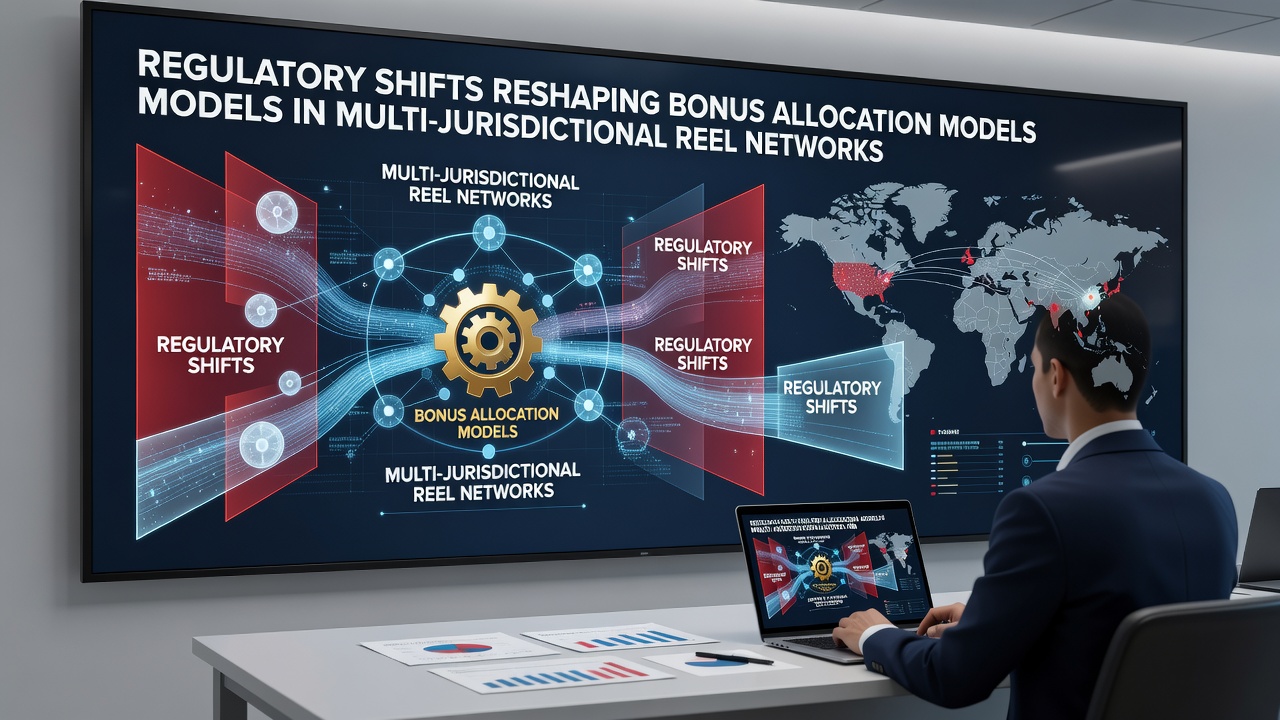
Reporting and Audit Requirements Taking Center Stage
Regulators now require granular data exports that break down bonus issuance, redemption, and forfeiture by licensing jurisdiction, which forces operators to redesign their data pipelines so that each transaction carries jurisdiction metadata from the initial player interaction. Figures released by the European Gaming and Betting Association highlight that networks operating under multiple EU member state licenses have increased their compliance staffing by an average of 18 percent to handle the expanded reporting load. Platforms that once aggregated bonus statistics at the network level now generate separate ledgers for each regulated market, and this separation extends to how they calculate theoretical return-to-player percentages when bonuses influence game outcomes.
August 2026 Implementation Timelines
Several jurisdictions have set coordinated effective dates in August 2026 for updated bonus disclosure rules, which means operators must complete system certifications and submit test reports well in advance of that window. Those preparing for the deadline have already begun parallel runs of legacy and revised allocation models to verify that player-facing communications remain consistent while backend calculations satisfy each regulator's specifications. The staggered rollout across regions creates a narrow window where networks must maintain dual compliance modes until all participating jurisdictions activate the new standards simultaneously.
Case Examples from Existing Networks
Take one operator managing reel platforms across three Canadian provinces that restructured its bonus pool allocation after provincial regulators required distinct contribution percentages for each license; the change resulted in separate promotional wallets that update independently based on the player's active jurisdiction. There's this case where experts found that a U.S.-based network reduced bonus-related chargebacks by implementing location-verified eligibility checks before any credit was added to player accounts. Researchers discovered that these technical controls also simplified audit preparation because each bonus transaction now includes an immutable jurisdiction tag generated at the time of issuance.
Conclusion
Multi-jurisdictional reel networks continue to adapt their bonus allocation models in response to evolving regulatory demands that emphasize separation, transparency, and jurisdiction-specific compliance. The August 2026 milestones will test how effectively current technical solutions scale when multiple major markets activate updated rules at once, and platforms that have already segmented their systems stand positioned to meet those requirements without further structural changes. Data from regulatory filings and industry reports shows that the shift toward modular, location-aware bonus engines represents a lasting change in how operators manage promotional activity across borders.